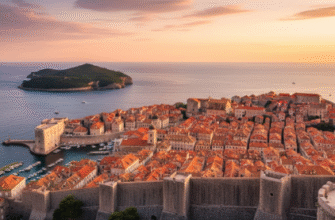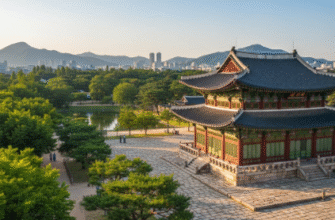
The image of a sleepy, sun-drenched town in the middle of the afternoon, shutters drawn and streets empty, is a powerful one. For many, it immediately brings to mind the concept of the siesta, a practice often stereotyped as a sign of laziness or a charming but outdated quirk of Mediterranean life. However, this midday rest is far more than a simple nap. It is a deeply ingrained cultural institution with roots stretching back millennia, shaped by climate, agriculture, religion, and a profound understanding of a natural, more humane rhythm of life.
To dismiss the siesta as mere idleness is to fundamentally misunderstand its origins. It’s not a luxury born of leisure but a practical adaptation born of necessity. Its very name whispers of its ancient past, evolving from the Latin phrase ‘hora sexta’, which translates to the “sixth hour.” For the Romans, who counted the hours from sunrise, the sixth hour fell around noon—the time when the sun was at its most punishing. This was the designated time to stop, eat the main meal of the day, and rest before resuming work in the cooler late afternoon. This wasn’t a choice; it was a sensible strategy for survival and productivity in a pre-industrial world without air conditioning.
An Agricultural and Climatic Imperative
The Roman practice laid the groundwork, but it was the agricultural societies of the Mediterranean basin that cemented the siesta into the cultural bedrock. For centuries, life in places like Spain, Southern Italy, and Greece revolved around the land. Farm work was grueling and began at first light to take advantage of the cool morning hours. By midday, the relentless sun would make continued physical labor not only inefficient but dangerous, posing a real risk of heatstroke and exhaustion.
The siesta was the day’s natural fulcrum. It provided a vital break to escape the oppressive heat, allowing workers to rest and digest their main meal. This wasn’t a light lunch but a substantial, energy-replenishing feast. After this period of rest and recuperation, work would resume in the late afternoon and often continue into the early evening, when the temperatures became more tolerable again. This split-day schedule was a perfect synchronization of human activity with the natural environment. The architecture of these regions often evolved to support this lifestyle, with thick-walled homes, internal courtyards, and heavy shutters designed to create cool, dark sanctuaries from the midday blaze.
The Social Heart of the Day
While climate and work provided the framework, the siesta quickly evolved into something much more profound: the social and familial core of the day. Unlike the hurried desk lunch of the modern corporate world, the midday meal during the siesta period was, and in many places still is, the most important social event. It is a time for the family to gather, to disconnect from work, and to connect with each other. It’s a period for conversation, for sharing food, and for reinforcing the bonds of kinship and community.
This long, communal lunch is the anchor of the siesta. The subsequent rest is as much about digesting a large meal as it is about sleeping. In this context, the siesta acts as a cultural bulwark against a life of constant rush. It prioritizes human connection and well-being over the relentless pursuit of productivity. It carves out a protected space in the middle of the day dedicated entirely to nourishment—of the body and the soul. This ritual transforms a simple break from work into a celebration of family and a reaffirmation of community values.
Modern science has increasingly validated the wisdom behind this ancient tradition. Numerous studies confirm that a short midday nap, often called a “power nap,” can significantly enhance cognitive function, improve memory consolidation, and lower stress levels. This scientific backing demonstrates that the siesta is not an antiquated habit but a highly effective biological and psychological tool for maintaining health and productivity throughout the day.
The Siesta in a Globalized World
Today, the traditional siesta is under pressure. The forces of globalization, the rise of a 24/7 service economy, and the adoption of the standardized 9-to-5 workday have challenged this age-old rhythm. In major cities like Madrid or Rome, the long midday break is becoming less common as businesses adapt to international schedules and the logistical challenges of a split workday in a sprawling metropolis. The commute home for a two-hour break is simply not feasible for many urban dwellers.
Yet, the spirit of the siesta endures and is even finding new forms of expression. As the modern world grapples with burnout and the mental health consequences of a non-stop work culture, the idea of a deliberate midday pause is gaining new respect. Companies in Silicon Valley and beyond are installing “nap pods” and encouraging employees to take short breaks to recharge, an ironic corporate re-branding of an ancient, organic practice. This revival speaks to a growing recognition that the logic of the ‘hora sexta’ is timeless. Whether driven by the sun’s heat or the heat of digital overload, the human need for a midday reset remains a powerful and necessary constant. The siesta is a legacy, a reminder of a different way of being—one that listens to the body, respects the environment, and values connection above all else.