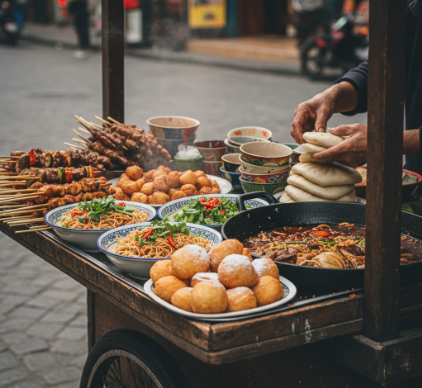
To truly understand a city, you can read its history books, walk through its museums, or listen to the stories of its people. But perhaps the most visceral, authentic way to connect with its soul is to taste it. Not in the hushed, refined atmosphere of a Michelin-starred restaurant, but on a bustling street corner, amidst the symphony of sizzling woks, bubbling pots, and the chatter of locals.
Street food is more than just a quick, cheap meal; it’s a living narrative, a delicious autobiography of a city written in spice, dough, and fire.
Every street food dish carries a ghost of the past. It’s a culinary artifact that tells a story of migration, trade, conflict, and innovation. Consider the beloved Banh Mi of Vietnam. At first glance, it’s a sandwich. But look closer. The crusty baguette is a direct remnant of French colonialism, while the fillings—the savory pork, fresh cilantro, pickled vegetables, and chili—are a vibrant celebration of Vietnamese flavors and ingenuity. It’s a dish that speaks of a complex history, of resilience and the beautiful fusion that can arise from cultural collision.
Similarly, the streets of Berlin are famously perfumed with the scent of Döner Kebab. This vertical rotisserie of seasoned meat, now a quintessential German fast food, was introduced by Turkish immigrants in the latter half of the 20th century. It tells the story of post-war reconstruction, of the “Gastarbeiter” (guest workers) who came to rebuild the nation and, in doing so, forever changed its culinary landscape. The Döner is a testament to the fact that a city’s identity is constantly evolving, shaped by the hands and traditions of those who choose to call it home.
From Scarcity to Icon
Street food often has humble origins, born from necessity and economic hardship. These are the dishes created to feed the working class—filling, affordable, and easy to eat on the go. Tacos al pastor, a staple of Mexico City, are a perfect example. Their origin lies with Lebanese immigrants who brought the technique of spit-roasting meat for shawarma. Locals adapted it, swapping lamb for pork and incorporating Mexican chiles and pineapple. It was a resourceful adaptation that turned into a global phenomenon, a story of making the most of what you have and creating something uniquely beautiful in the process.
Many street food cultures have gained global recognition for their cultural importance. For instance, Singapore’s vibrant hawker culture was inscribed on the UNESCO Representative List of the Intangible Cultural Heritage of Humanity in 2020. This acknowledges that these food centers are community dining rooms that reflect the nation’s multicultural identity and are crucial to its social fabric.
A Melting Pot in Every Bite
Wander through the streets of a major metropolis like New York or London, and the street food scene acts as a delicious map of its diverse communities. One block might offer the spicy-sweet flavors of jerk chicken from a Jamaican grill, while the next presents the savory comfort of a Polish pierogi cart. This isn’t just about coexistence; it’s about conversation. Flavors bleed into one another, creating exciting new hybrids that could only exist in that specific urban melting pot.
Nowhere is this more evident than in the hawker centers of Singapore. Here, under one roof, you can find a dazzling array of dishes that tell the story of the city-state’s Malay, Chinese, Indian, and Peranakan roots. You can start with a bowl of laksa, a spicy noodle soup that perfectly marries Chinese and Malay influences, and follow it with Hainanese chicken rice, a dish whose simplicity belies its complex history of migration from a southern Chinese province.
Eating here is like taking a culinary tour of Asia without ever leaving the city. It’s a powerful, daily reminder of the city’s multicultural harmony.
The Rhythm of Urban Life
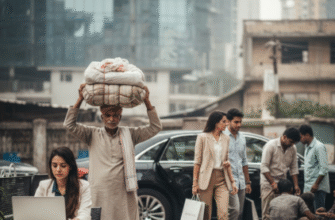
Street food is intrinsically tied to the rhythm and pace of city life. The vendors are the unsung conductors of the urban orchestra. There are the early morning carts catering to commuters with strong coffee and fresh pastries, the lunchtime trucks swarmed by office workers seeking a fast but flavorful midday break, and the late-night stalls that provide comfort and sustenance to those heading home after a night out. They mark the passage of time, their presence and offerings shifting with the needs of the city’s inhabitants throughout the day.
Moreover, the street food stall is a social space. It’s a democratic institution where people from all walks of life—students, laborers, executives, and tourists—stand side-by-side, united by a shared craving. It’s a place for impromptu conversations, a moment of communal experience in the often-anonymous urban landscape. By observing who eats what and when, you can learn about the city’s work culture, its social habits, and what its people turn to for comfort.
Ultimately, to explore a city’s street food is to engage with it on its own terms. It’s an invitation to step away from the curated tourist trails and into the real, living, breathing city. So the next time you find yourself in a new place, let your nose be your guide. Follow the scent of grilling meat, frying dough, or simmering broth. Find a cart with a long line of locals, and take a chance.
You won’t just be having a meal; you’ll be tasting a story.