Content
A Labyrinth of Faith and Commerce
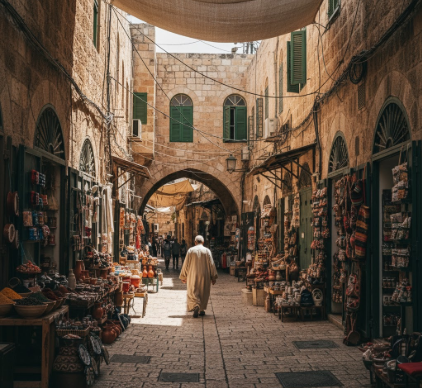
The journey often begins in a chaotic, beautiful tangle. The alleys are a true labyrinth, twisting and turning without warning, opening into sun-drenched courtyards one moment and plunging into covered, market-like darkness the next. The worn limestone flags underfoot are polished smooth by the sandals, boots, and shoes of countless pilgrims, merchants, soldiers, and citizens who have come before. You quickly learn to navigate not by street names, which can be inconsistent, but by landmarks, sounds, and even smells.The Christian Quarter’s Solemn Paths
Following the flow of devout pilgrims, you might find yourself on the Via Dolorosa, the “Way of Sorrows.” Here, the alleys are heavy with reverence. Groups of faithful from around the globe trace the Stations of the Cross, their quiet hymns and prayers rising to the vaulted stone ceilings of the covered passages. The air is often tinged with the sweet, woody scent of frankincense drifting from the countless small chapels and religious souvenir shops that line the route. These shops are carved directly into the ancient walls, selling olive wood rosaries, icons, and candles. The path is narrow, and the cool stone offers a welcome respite from the Middle Eastern sun. The journey through these alleys is a sensory one, culminating in the overwhelming presence of the Church of the Holy Sepulchre, a sprawling complex that seems to gather all the surrounding lanes into its hallowed embrace.The Vibrant Pulse of the Muslim Quarter
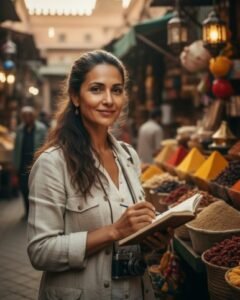
A sharp turn can transport you from solemnity to a riot of life. The alleys of the Muslim Quarter are the city’s primary marketplace, or souk, and they assault the senses in the most wonderful way. The passageways become tighter, crowded with people and vibrant with energy. Here, the air is a heady mix of aromatic spices—cumin, turmeric, and za’atar—piled high in colourful pyramids. The sweet aroma of freshly baked pita bread and sizzling falafel wafts from tiny, hole-in-the-wall bakeries, while the scent of strong, cardamom-infused coffee hangs in the air. Merchants call out, their voices creating a rhythmic hum as they advertise everything from intricate lanterns and hand-woven carpets to glistening sweets and fresh juices. This is a place of commerce and community, where daily life unfolds in a dazzling spectacle of colour, sound, and flavour.Echoes of Ancient Empires
As you delve deeper, the character of the alleys shifts once more, reflecting the distinct heritage of each quarter. The architecture changes, the sounds are different, and the very atmosphere seems to transform, reminding you that this small, walled city contains entire worlds within it.The Cardo Maximus, a major thoroughfare in the Jewish Quarter, was originally the main north-south street of Aelia Capitolina, the Roman city built on the ruins of Jerusalem in the 2nd century AD. Excavations have revealed the original Roman columns and paving stones, which now lie several meters below the current street level. This ancient street was once a wide, colonnaded boulevard, and today’s visitors can walk along the restored sections, surrounded by modern shops built into the historic archways.